





From October 14 to 16, one of the main events of the year will be held in Dushanbe – the Dushanbe Invest-2025 investment forum, which may very well open new paths for the Tajik economy. In an exclusive interview with Asia-Plus, the Chairman of the State Committee on Investments and State-owned Property Management of Tajikistan (GosKomInvest), Sulton Rahimzoda, spoke about this event, Tajikistan’s investment climate, opportunities for entrepreneurs, and much more.
Focus on Green Investments
Q. Tell us about the main goal of the international investment forum. What makes this forum important for both Tajikistan and the international business community?
A. One of the main goals of the forum is to present Tajikistan’s potential for attracting investment into various sectors of the economy.
It is also about providing information to the right investors, creating a platform for information exchange, gaining insight into new trends in the global investment community, and of course, signing cooperation documents that can give our economy new opportunities for further development.
Investment forums are among the key tools for attracting investments into the economies of any country. For example, there is the Tashkent Investment Forum, held annually, or the St. Petersburg International Economic Forum. Similar events are also organized in the Persian Gulf countries.
We began working on this idea back in November last year, when we presented it to our development partners in Tajikistan. We coordinated with the government, which supported us. Now we are finalizing the program and inviting participants.
The forum we are hosting this year was first held in 2023, also in Dushanbe, and the government intends to organize such events every two years – after that, we’ll see how it develops.
This year, the forum’s main motto is: “Green Investments: Today’s Opportunities for a Sustainable Future.”
Q. How does Tajikistan plan to position itself and this forum as a platform for sustainable, environmentally focused investments? Are there specific assessments of projects according to environmental and social standards?
A. The ESG format (“environmental, social, and corporate governance”) is one of the main points in the forum’s program.
We are targeting three main areas within Dushanbe Invest-2025, although the program includes a variety of events. The main focus will be on green investments, particularly in green energy. The second area is digitalization and artificial intelligence, and the third is the ESG model, which should be applied in implementing any projects carried out in Tajikistan in the future.
Inclusiveness in the preparation process
Q. You mentioned partners such as the ADB and EBRD – your donors and, in part, co-organizers. What role will they play at the forum?
A. Tajikistan’s development partners have always supported government initiatives, especially those aimed at sustainable development. All the preparatory work for the forum is carried out with the participation of our partners, including the World Bank, the Asian Development Bank, IFC, the EBRD, and others.
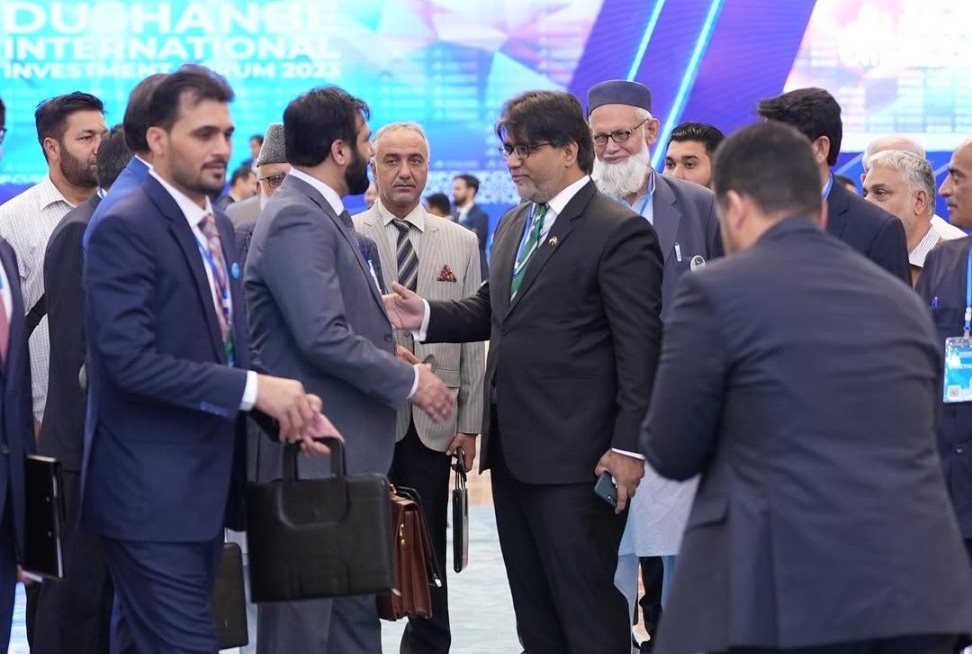
Q. What makes DIIF-2025 a convenient platform for venture capital and startups?
A. One of the main principles in preparing and holding this forum is inclusiveness. This means the direct involvement of development partners and other stakeholders in preparing the forum – starting from shaping topics and structuring the program to bringing in key speakers.
The second element of inclusiveness is the diversity of the investment community, including startups, which will be involved in forum activities.
Therefore, the program includes a wide range of different events, such as training sessions and master classes. Most importantly, the audience will include young specialists and startup founders who will be able to gain experience from leading investors – those who have already achieved great success in this field.
We will also hear from politicians, investors, and business leaders. For young startup founders and those working in venture funds or venture capital, this will be a significant opportunity to learn about new trends and also the barriers others had to overcome.

Successful investment projects
Q. Could you give examples of successful investment projects in recent years implemented in Tajikistan?
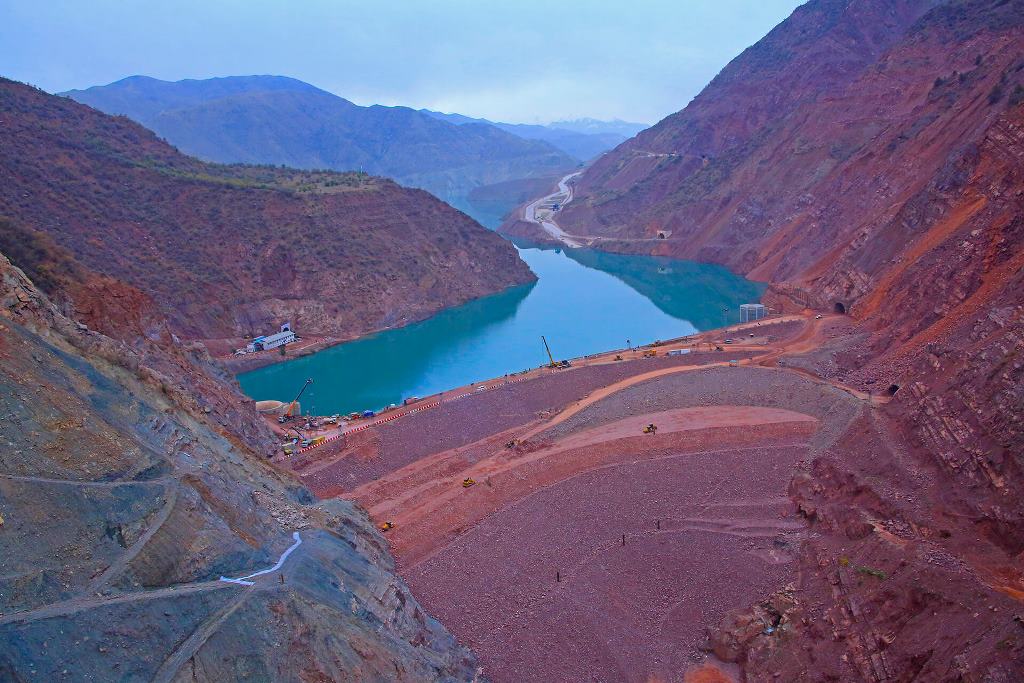
A. First of all, there are projects initiated by the government of the republic. For example, the Rogun Hydropower Plant. In recent years, the government has been working with development partners under the “umbrella” of the World Bank to attract financial resources to complete the station’s construction. For the implementation of the project, the government reached agreements with 11 development funds and financial institutions.
In 2023–2024, an agreement was signed for about $1 billion for the project’s implementation. There are also plans to mobilize around $4 billion from various funds and financial institutions.
All of this is a unique example of an ESG project because, first, it is renewable hydropower, providing affordable and sustainable electricity. Second, it offers sustainable water resource management, reduces risks, mitigates the effects of drought, and makes a huge contribution to reducing carbon dioxide emissions.
It has been calculated that if the same amount of electricity to be produced by Rogun HPP were generated by a coal-based power plant, annual emissions would be about 14 million tons per year. With fuel oil – 10 million, with natural gas – 7 million tons per year. So this project is vital for achieving sustainable development – that’s the uniqueness of Rogun HPP.
The second example is projects implemented with the participation of Tajikistan’s private sector. This includes a consortium led by Avesto Group, which implemented a billing system project in the Sino district of Dushanbe. In a relatively short time, they were able to reduce electricity losses from 19% to 8%.
On the basis of this success, we signed a new agreement with this consortium to implement similar projects in 16 cities and districts of the country.
The third example is foreign investors successfully working in Tajikistan. These include Chinese companies such as Pakrut, Zeravshan, and the Tajik-Chinese Mining and Industrial Company, which are operating and have already begun building metallurgical plants in Tajikistan.
Another example is the Anzob company, an American enterprise that has increased antimony production in Tajikistan, making our country the third-largest producer of this mineral in the world.
Incidentally, one of the forum’s sessions will be devoted to minerals essential for the transition to a green economy. Tajikistan is quite rich in these resources, and I believe that through this forum we can attract more investor attention to projects in the republic.
Q. What are your expectations for the forum? Are there plans for any strategic agreements, or are certain negotiations already underway?
A. Any forum is a platform where you can present your capabilities and sign important documents. We plan to sign a number of agreements of various types – both state-level and private-sector. We hope to achieve our ambitions.
New law
Q. What specific mechanisms are planned to increase the transparency and predictability of Tajikistan’s investment climate?
A. Digitalization is the direction our government is actively pursuing. This will be a strong mechanism for ensuring business transparency and reducing barriers that exist in business development.
Second, in 2025, the country’s parliament approved a new law. We merged two existing laws – the Law on Investments and the Law on Investment Agreements – into a single piece of legislation: the Law on Investments and Promotion of Investment Activity.

This law regulates the relationships between various parties, removing barriers and providing additional opportunities for attracting investments and implementing investment projects in Tajikistan.
Another step is the government’s adoption of the Investment Attraction Strategy until 2040. This is a relatively new document, adopted at the end of June this year. It defines the main directions for investment activity in Tajikistan and the priority sectors for investors – from energy and industry to transport and agriculture. It also includes tourism, banking, and IT. All of these areas are covered by the Strategy, and we have already started working on its implementation.
Q. Is Tajikistan considering participation in transnational investment projects, for example, within the framework of the Chinese initiative or other Central Asian regional initiatives?
A. Tajikistan is part of the Belt and Road Initiative. Within the framework of this project, several projects have already been implemented in the country, mainly through financial support from the Chinese government, covering several important sectors. Among them, I would particularly highlight transport, as it facilitates many other projects and enables Tajikistan to have greater connectivity with the region and with China itself.
How Can Tajikistan Attract Investors?
Q.How do you assess Tajikistan’s competitiveness in the region and globally in terms of investment?
A. Attracting investment is a very complex process, and each country must have its own advantages to be attractive to investors. For Tajikistan, this is even more challenging: we are a small country compared to others in the region, and we have no access to the sea.
However, there are several factors that make Tajikistan attractive compared to other countries.
First of all, we have renewable energy resources. We are transitioning to green investments, which have been a major trend in recent years – and will remain so in the future.
In this context, Tajikistan has advantages, especially in attracting investors to green energy projects. Hydropower is key here – currently, only about 5% of our hydropower potential is utilized, leaving 95% still awaiting investment.
In terms of renewables, we also have considerable solar and wind resources, and the government is just beginning to implement large-scale projects.
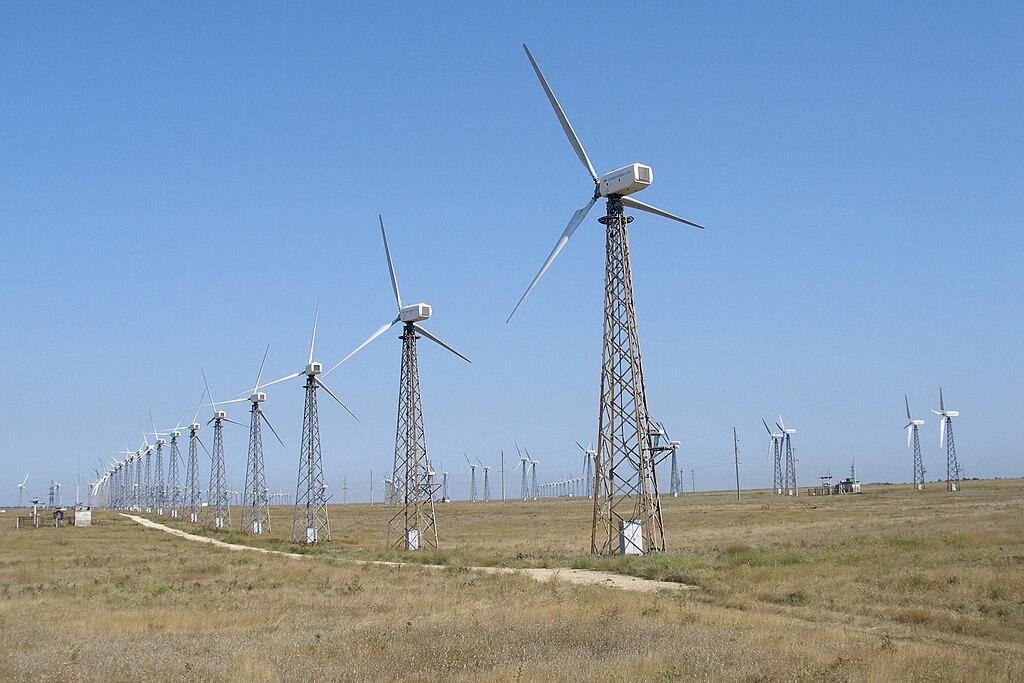
For example, a World Bank-supported project is being launched to build a 200 MW solar power plant. The government is also working to implement projects totaling 1,500 MW of solar and wind power within the next three years.
These projects are being actively promoted, and we hope that during the investment forum we will be able to sign agreements for them.
Another area is the participation of foreign investor companies in projects involving critical minerals. These include extraction, processing, and production of minerals necessary for the green transition: silver, lithium, antimony, copper, and others.
A further important factor is that about 98% of our electricity is generated from renewable sources – mostly hydropower. This makes products manufactured in Tajikistan competitive in the global market because there is now a growing trend toward implementing carbon taxes.
For example, in 2023, Sweden introduced a tax of €130 per ton of CO₂ emissions. In Canada, it was $36, with plans to raise it to $170 by 2030. Even in developing countries like Chile, a carbon tax of $5 per ton has been introduced.

Last year, under the World Bank’s auspices, a Climate and Development Report for Tajikistan was published, and one of the recommendations from the Bank and development partners was the introduction of a carbon tax.
It is clear that in the near future, similar recommendations will be made to many countries. If these taxes are introduced, products made using non-renewable energy sources will become more expensive. In contrast, products from Tajikistan will have a green certificate and remain highly competitive globally, as they will not be subject to carbon taxes.
One more important point is that Tajikistan possesses significant reserves of critical minerals, and there is strong global interest in their extraction, processing, and production.
Q. Investment is competition. It’s a battle. Who is our main competitor in the region?
A. I would say everyone is a competitor, because investment is one of the main ways to attract financial resources. That’s why all countries in the region are making great efforts to attract investments. But, as I mentioned, each country has its own advantages. Our goal is to use the investment forum to draw the attention and investments of international companies to our economy.
Q. What could we potentially learn from our neighbors?
A. In Uzbekistan, for example, the public-private partnership (PPP) mechanism is developing rapidly. We have studied their experience and are currently considering the possibility of implementing large-scale projects through this mechanism. We also have PPP projects, but they are not yet as large-scale as we would like.
Therefore, the State Committee on Investments is preparing certain proposals to the government to implement large-scale projects within the PPP framework.
In Kyrgyzstan, they are reforming the tax and customs systems through digitalization, as well as introducing new incentives for small businesses.
We always study what has worked for our neighbors to adapt and implement it in Tajikistan, with the aim of attracting more investment resources and enabling small and medium-sized businesses to develop more successfully.
Supporting small and medium businesses
Q. How do you assess Tajikistan’s investment climate and entrepreneurial environment compared to business conditions in neighboring countries?
A. As I mentioned earlier, the government is doing a lot: adopting a new law, launching a program to support private sector development, and a program to support women’s entrepreneurship.
I think the President’s initiative to declare a moratorium on inspections of entrepreneurs until 2027 has also given a boost to the sector’s further development. For example, if the growth rate of entrepreneurs in Tajikistan was 3.4% in the first six months of 2024, in 2025 this figure reached 4.6%. In other words, small and medium-sized businesses are growing faster.
Last year, together with the Prosecutor General’s Office, we held a meeting on supporting small and medium-sized businesses in Tajikistan. I noted that the number of entrepreneurs in the country today is 375,000, compared to around 360,000 last year. In relation to the total population, this is just over 3%. These 3% of the population generate about 70% of Tajikistan’s GDP and provide around 60% of employment. So we must do everything possible to support our entrepreneurs so that their numbers continue to grow.
Q. How actively is Tajikistan working with its diaspora in an investment context? Are there any tools for attracting Tajik entrepreneurs from abroad?
A. We are working in this direction. Over the past two years, we have held a number of events outside Tajikistan. One of the latest was a gala dinner in Abu Dhabi.
At such events, we involve our compatriots who have built businesses abroad but have a strong interest in implementing projects here in Tajikistan.
In this context, together with Tajinvest, we launched the “Investment Attaché” initiative. This means we involve our compatriots abroad, and they voluntarily help us in several ways: promoting Tajikistan, presenting its opportunities internationally, attracting investments, organizing dialogue, and finding partners who can invest in our economy.
Thirdly, through this mechanism, we engage them to be part of the Tajik community working for the country’s benefit.
As part of the investment forum, we plan to organize a “no-tie” roundtable, where our compatriots from abroad, ministers, and heads of Tajik ministries and agencies will be able to openly discuss important issues.


Uzbekistan’s solar and wind power output reportedly hits 10 billion kWh, saving billions of cubic meters of gas
Emomali Rahmon inaugurates new factory and educational institutions in Tursunzoda
Traffic jams in Dushanbe: a result of urban planning failures
One year without Assad: what has changed in Syria
Iranian ambassador stresses deeper cooperation between Iranian and Tajik specialized institutions
Tajikistan criminalizes crypto mining with stolen electricity
Fake traffic police officers arrested in Dushanbe for extorting money from drivers
Bezhan Abdulloyev crowned 2025 China Racing Champion
Tajikistan to introduce recycling fee for imported batteries
Tajikistan and UN discuss the development of UNSDCF for 2027–2030
All news
Авторизуйтесь, пожалуйста