




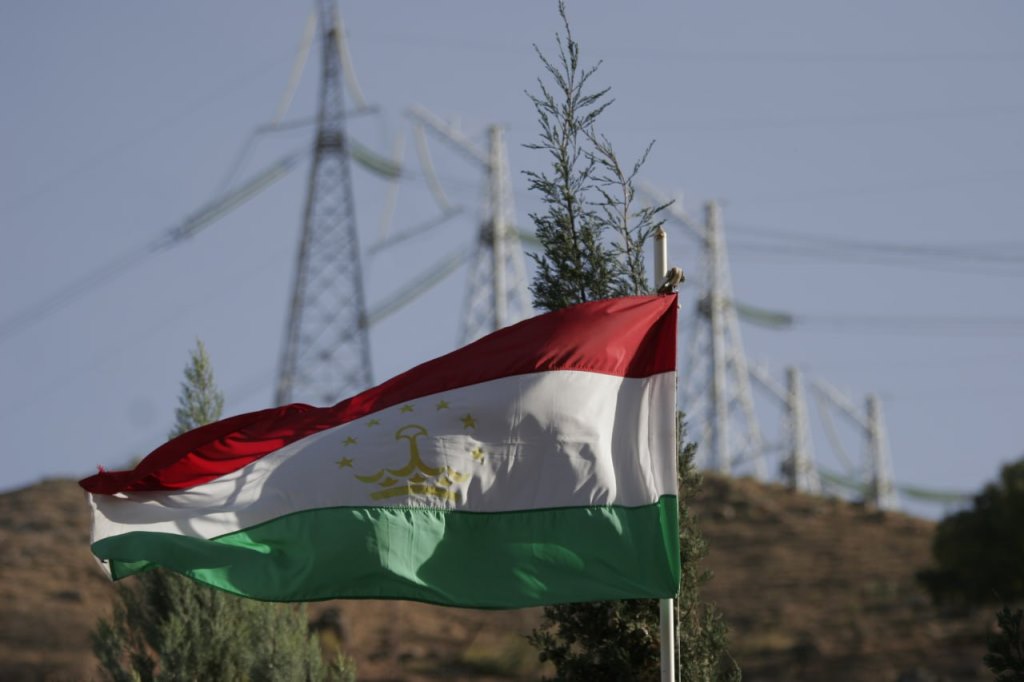
Tajikistan has reached nearly 100% electrification—a rare achievement among developing nations. However, a new global report warns that major gaps remain in heating, energy reliability, and clean cooking access.
The SDG7-2025 Energy Progress Report, compiled by the UN, World Bank, WHO, IEA, and IRENA, highlights both Tajikistan’s accomplishments and its lingering vulnerabilities in the energy sector.
Electricity for all, but reliability lags
While nearly all citizens had electricity access by 2022, power reliability is inconsistent, especially in rural and mountainous regions during winter. The report stresses that full electrification must be paired with stable, year-round supply.
Clean Cooking still out of reach
Less than 40% of the population uses clean cooking fuels. In rural areas, 60% of households rely on firewood, coal, or dung, leading to indoor air pollution and health risks. The report calls for subsidies and support for cleaner alternatives.
Heavy dependence on hydropower
Hydropower supplies over 90% of the nation’s electricity, keeping emissions low but making the system vulnerable to climate change.
Despite excellent solar and wind potential, these alternatives remain underdeveloped due to weak investment and institutional barriers.
Energy efficiency falls short
Tajikistan is one of the region’s most energy-intensive economies. Inefficient buildings, outdated industry, and poor insulation drive high consumption. While some pilot projects are underway, the report urges larger-scale modernization.
Clean energy in Central Asia: uneven progress
Across Central Asia, progress toward SDG7 is mixed. While most countries have achieved near-universal electricity access, advancement in clean cooking, renewable energy, and energy efficiency remains slow.
Tajikistan and Kyrgyzstan still have the lowest access to clean cooking solutions. Meanwhile, Uzbekistan has emerged as a regional leader in green energy investment, attracting the bulk of international financing.
In 2023, Central Asia received US$5.6 billion in global clean energy funding—89% of which went to just India and Uzbekistan.
Funding Still Favors Hydropower
In 2021, Tajikistan received $100 million in energy aid, mostly for hydropower. Solar, wind, and energy efficiency projects received minimal support. Donors are urged to back more decentralized and rural-focused energy solutions.
What’s needed
Experts recommend that Tajikistan:
- Invest in decentralized solar and wind energy;
- Improve building insulation and industrial efficiency;
- Expand access to clean cooking fuels;
- Train energy-sector professionals;
- Tap global expertise and innovation.
While progress is clear, Tajikistan must move from access to resilience—ensuring clean, reliable, and sustainable energy for all.
 Руcский
