




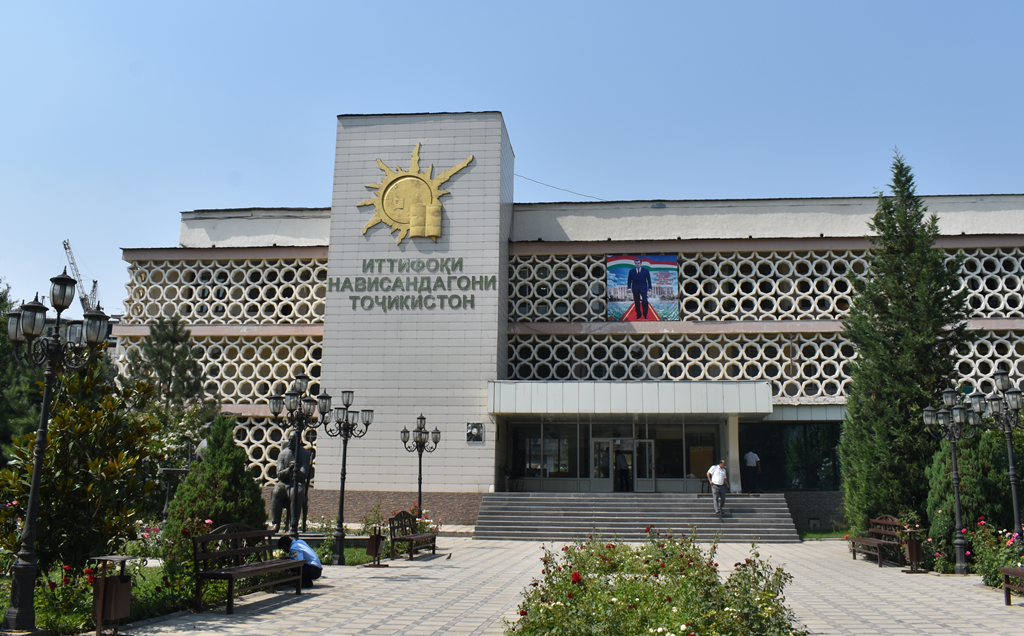
Today, the Union of Writers of Tajikistan (SPT) is holding its congress, during which new leadership will be elected. The congress, which began at 9:00 AM, will include the re-election of the chairperson, vice chairpersons, and board members of the organization. Changes to the Union’s charter are also expected to be discussed.
As part of the congress agenda, Nizom Qosim will present a five-year report as president of the Union. This will be followed by a report from the audit commission on the Union’s activities over the past five years, after which elections for leadership positions will take place.
According to the current charter, Union leaders are allowed to run for office no more than twice. This means that an individual cannot be re-elected as president or vice president for a third consecutive term.
Could Nizom Qosim be re-elected?
Nizom Qosim first assumed the role of chairperson of the Union of Writers in 2015 and was re-elected in 2020. Given the two-term limit in the current charter, the question arises: can he be re-elected for a third term?
Qosim addressed this question in an interview with Asia-Plus, confirming that changes to the charter are being considered. “There are several proposals to amend the charter. Currently, one person can be elected president of the Union no more than twice, and membership is only allowed for those under 55 years of age. The commission is considering these changes, and they will be put to a vote. If approved, both restrictions will be lifted,” Qosim said.
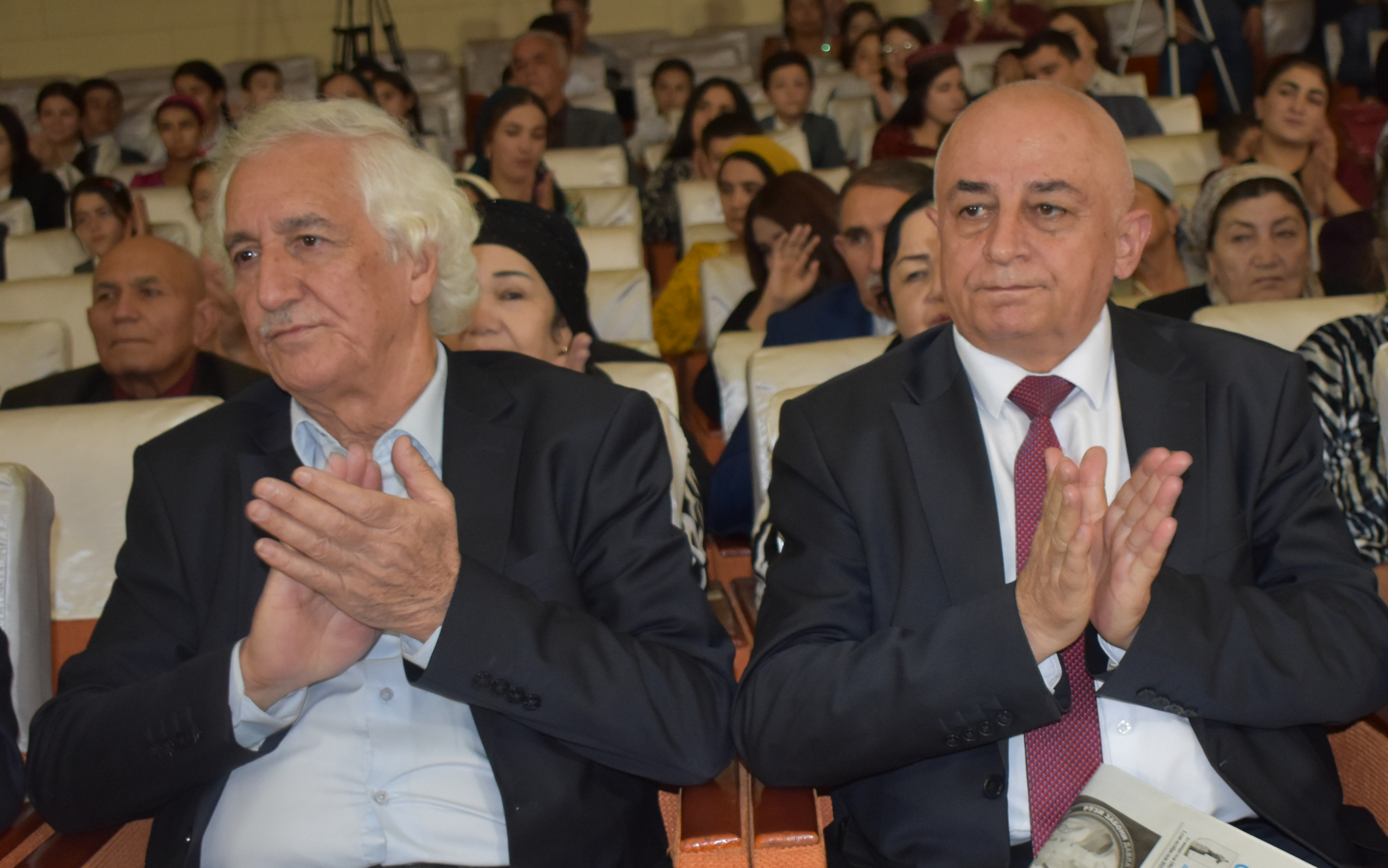
However, he did not clarify whether he plans to run for president again if the amendments are passed.
Ato Mirkhoja, who has served as the first vice president of the Union since 2015, has not disclosed whether he will seek a third term if the amendments are approved.
Ravshan Makhsumzoda, the current vice president, was elected to the position in 2020 and is eligible to run for re-election.
A brief history of the Union of Writers of Tajikistan
The Union of Writers of Tajikistan was founded in 1934, and over the years, it has been led by prominent figures, including Abulqosim Lohouti, Said Nosirov, Nodir Shanbezoda, Sotim Ulughzoda, Mirzo Tursunzoda, Mumin Qanoat, Askar Hakim, Mehmon Bakhti, and Nizom Qosim.
During the Soviet era, the Union was one of the most influential public organizations in the country, and its president held significant status and influence. Under the leadership of renowned poets such as Mirzo Tursunzade and Mumin Qanoat, the Union became a key ideological institution in Soviet Tajikistan.
In 1991, the election of the Union's president became one of the most highly discussed events. The leading candidates were Loiq Sherali and Askar Hakim, with Hakim ultimately emerging victorious.
The leadership structure of the Union consists of the president, two vice presidents, and a board, all of whom are elected at the congress. The Union’s board oversees several sections, including poetry, prose, drama, children’s literature, literary criticism, translation, and literary relations, as well as sections for Russian- and Uzbek-language literature.
The Union of Writers is funded by the state budget, and its special publications include the literary journal Sadoi Sharq ("Voice of the East"), the Russian-language journal Pamir, and the weekly newspaper Adabiyot va Sanat ("Literature and Art").
As the election of the Union’s new leadership looms, the outcome of the proposed charter changes will undoubtedly shape the future direction of the organization and its role in Tajikistan’s literary landscape.
 Руcский
