




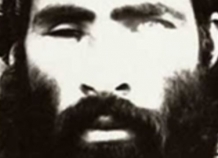
DUSHANBE, April 6, 2015, Asia-Plus -- The Express Tribune , a major daily English-language newspaper in Pakistan, reports that the Afghan Taliban on April 5 released a biography of their reclusive leader Mullah Mohammad Omar.
The 5,000-word biography appeared on the Taliban''s main website early April 5 and claimed to have been posted to commemorate his 19th anniversary as leader of the group. The biography was issued in English, Urdu, Pashto and Dari.
The biography has been published at a time when some are defecting from Taliban ranks to join other militant groups and talk has been increasing that Mullah Omar might not even be alive.
The Afghan Taliban chief who has not been seen in public for more than a decade was last heard in 2007 – eight years ago.
However, if there were any doubts regarding his role in the Afghan Taliban, the biography cleared them.
“Mullah Mohammad Omar (Mujahid) is still the leader in the present hierarchy of the Islamic Emirate of Afghanistan,” the biography asserts.
“His deputy, the leading council, judiciary, nine executive commissions and three other administration organs are active under his leadership which form the warp and woof of the present setup of the Islamic Emirate,” it added.
The posting says Mullah Omar “keenly follows and inspects Jihadi activities” but adds he is “regularly being tracked by the enemy.”
The text also provides information on Omar''s background, saying he was born in 1960 in the village of Chah-i-Himmat, in the Kharkez district of Kandahar Province, and says he is from the Tomzi clan of the Hotak tribe.
The information says Omar studied at a madrasah, contradicting widespread reports Omar is illiterate, but abandoned his studies after the Soviet invasion.
The Express Tribune notes the Mullah Omar’s whereabouts are unknown though Afghan intelligence officials have on a number of occasions claimed Omar is hiding in Karachi. Meanwhile, former Afghan President Hamid Karzai has long claimed the Afghan Taliban chief has been hiding in Quetta. However, the claim has been denied by Tehreek-e-Taliban Pakistan and Afghan Taliban officials.
Though, the Taliban initially routinely issued Omar’s traditional “Eid” messages, his voice was last heard eight years ago.
His last audio message in 2007 addressed his commanders, ordering them to expel Taliban commander Mansoor Dadullah for killing Taliban men on suspicion of them spying on his brother Mullah Dadullah.
The feared commander Mullah Dadullah was killed by foreign and Afghan forces in southern Afghanistan in 2007.
Earlier it was reported that a growing number of militant commanders in Afghanistan and Pakistan were beginning to look towards Islamic State (IS) for inspiration, frustrated by Mullah Omar’s lack of leadership.
In Afghanistan, one militant commander reportedly said many have turned to IS. “Look, we have been fighting for years but we don’t have an inch of land in our possession in Afghanistan,” said the senior commander, who spoke from the province of Kunar.
“We have serious doubts about whether he (Omar) is alive at all … Abu Bakr al Baghdadi is visible and is leading his people,” the commander said, referring to the IS leader.
The Islamic Movement of Uzbekistan (IMU) which considered Mullah Omar as their “Ameer” switched loyalties to the Islamic State of Dai’sh a few days ago. The leader of the group in a video said Mullah Omar has not been seen in years and that it is declaring allegiance to Abu Bakr al-Baghdadi.


Number of farmers in Tajikistan increases
Chief customs officer claims "tax burden in Tajikistan is low"
“Three prisoners neutralized.” The prosecutor-general provides details on the shooting in Khujand detention center
Media: Tajikistan’s ambassador to Afghanistan meets with Taliban foreign minister
Fishing rods, mountains, hospitality: fishing tourism in Tajikistan: from potential to sustainable development
Tajikistan’s public debt decreases by $100 million in the past Year
"I protected my friend": Sadyr Japarov explains his decision to dismiss Kamchybek Tashiyev
"Children's rights are being violated": Tajikistan's Ombudsman expresses concern over exclusion of migrant children from education in Russia
Chairman of the Supreme Court provides details of family murder in Roudaki district
Ministry of internal affairs comments on fatal accident in Dushanbe
All news