




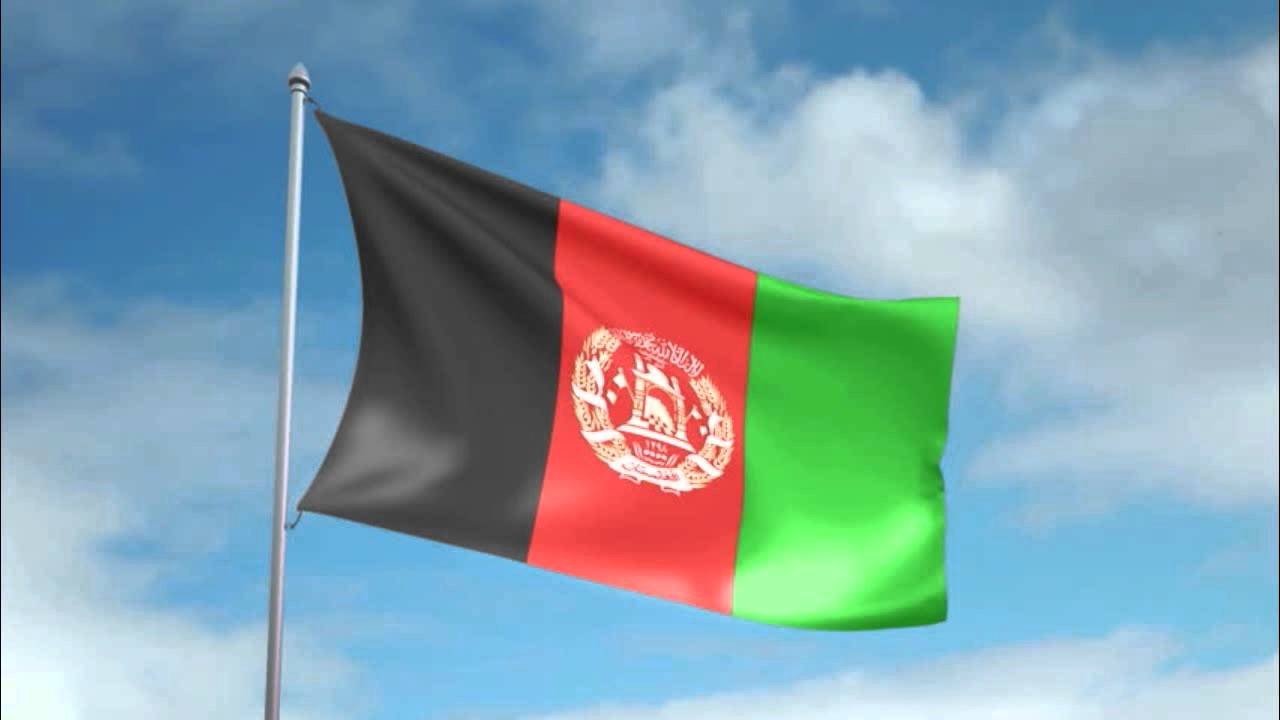
International partners have committed to provide $15.2 billion in support of Afghanistan's development priorities for the period 2017-2020.
Co-hosted by the European Union and the Government of Afghanistan, the Brussels Conference on Afghanistan took place on October 5.
The conference was opened by Mohammad Ashraf Ghani, President of the Islamic Republic of Afghanistan, and Donald Tusk, President of the European Council, and concluded by Abdullah Abdullah, Chief Executive of the Islamic Republic of Afghanistan.
The event was co-chaired by Federica Mogherini, High Representative of the European Union for Foreign Affairs and Security Policy and Vice President of the European Commission, Neven Mimica, European Commissioner for International Cooperation and Development, Salahuddin Rabbani, Minister of Foreign Affairs of the Islamic Republic of Afghanistan, and Eklil Hakimi, Minister of Finance of the Islamic Republic of Afghanistan.
The conference gathered 75 countries and over 22 international organizations and agencies. It provided a platform for the government of Afghanistan to set out its vision and track record on reform. For the international community, it was the opportunity to signal sustained political and financial support to Afghan peace, state-building and development.
The conference focused on three levels: joint international and Afghan efforts to increase the effectiveness of sustained international support and funding, on the basis of a new Afghan national development framework; Afghan reform efforts, including on economic reform, rule of law, improved public finance management and anti-corruption so as to ensure the provision of the most important services and public goods; and regional efforts to support a political process towards peace and cross-border economic cooperation
A joint communiqué issued by the conference participants, in particular, notes that international partners commit and confirm their intention to provide $15.2 billion in support of Afghanistan's development priorities for the period 2017-2020. They particularly welcomed the contributions from new donors to Afghanistan as well as other announcements of bilateral assistance.
International partners also welcomed the important initiatives for regional connectivity, notably in the frameworks of the Regional Economic Cooperation Conference on Afghanistan (RECCA) and the Heart of Asia Confidence Building Measures to further improve transit, transport and energy corridors and facilitate increased trade throughout the region, according to the communiqué.


Tajikistan’s capital ranks among cities with the lowest cost of living worldwide
Why is Tajik honey not exported to Europe?
Around 400 new industrial enterprises launched in Tajikistan in 2025
Tajikistan implements licensing system reform
Emomali Rahmon signs decree to increase salaries, pensions, and scholarships
Iran closes airspace amid fears of US strikes
US suspends immigrant visa processing for 75 countries
Tajikistan launches its first large-scale solar energy project
Tajikistan’s MoT and Kuwaiti consulting company sign contract for rehabilitation of Ayni – Kuhistoni Mastchoh road
Without education, without rights: how thousands of migrant children in Russia are left without schooling
All news
Авторизуйтесь, пожалуйста