




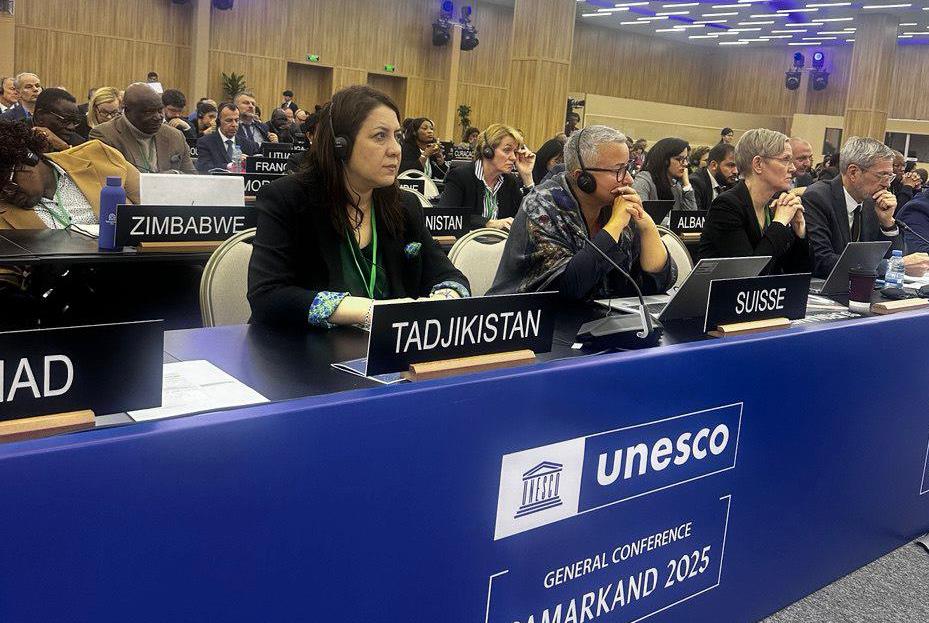
In a landmark resolution, the United Nations Educational, Scientific and Cultural Organization (UNESCO) has officially recognized the Cyrus Cylinder as the world’s earliest known written document on human rights. The decision was made unanimously by all member states during the 43rd General Conference, held in Samarkand, Uzbekistan, from October 30 to November 13.
The resolution identifies the Cyrus Cylinder—a 6th-century BC clay artifact inscribed in Akkadian cuneiform—as a foundational document in the history of human civilization. It highlights the Cylinder’s expression of principles such as freedom, justice, tolerance, and respect for cultural diversity.
UNESCO emphasized that this recognition supports its broader mission to foster intercultural dialogue, promote shared human heritage, and advance programs centered on justice, human rights, non-discrimination, and cultural tolerance.
Discovered in 1879 in the ruins of Babylon (modern-day Iraq), the Cyrus Cylinder was created following the Persian conquest of Babylon in 539 BC. Issued in the name of Cyrus the Great, founder of the Achaemenid Empire, the text praises the king’s lineage, his restoration of order, and his commitment to religious and cultural freedoms.
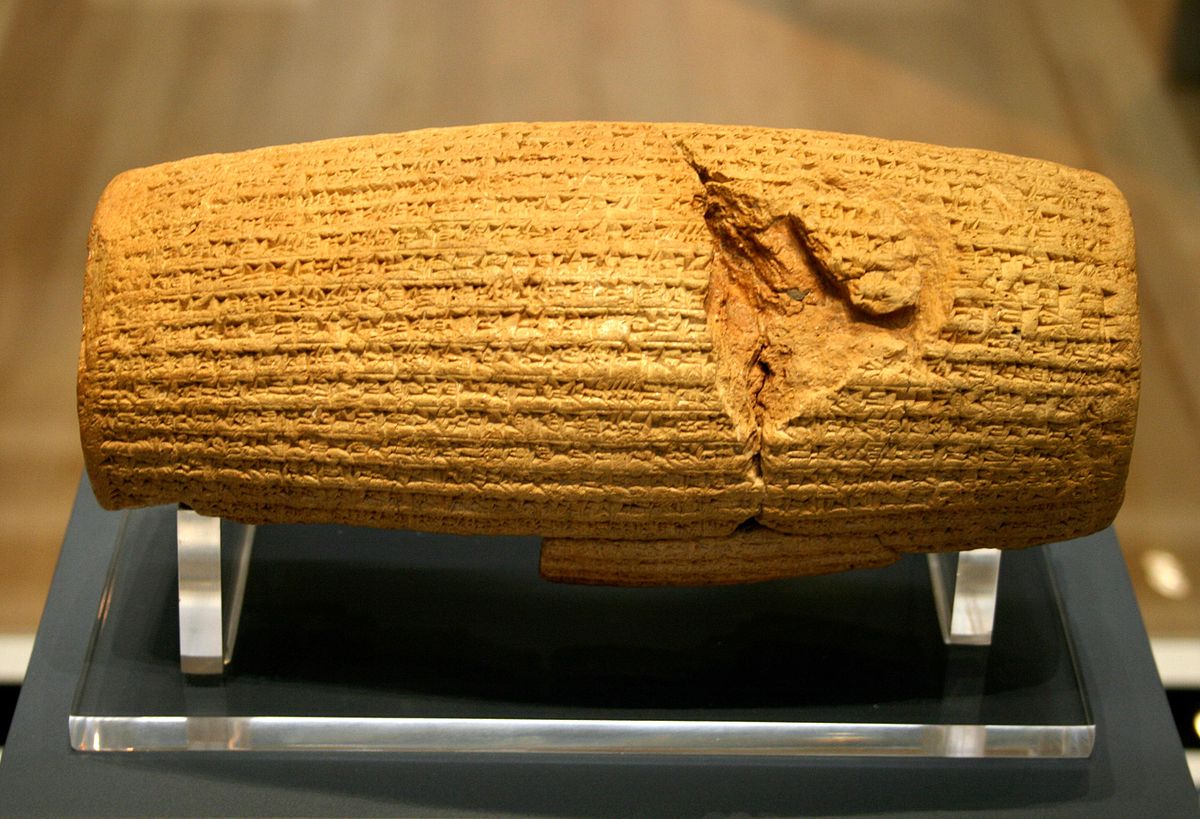
The Cylinder depicts Cyrus as a divinely appointed liberator, welcomed by the people of Babylon. It recounts how he repatriated displaced peoples and restored temples and sanctuaries across Mesopotamia—a policy often seen as an early model of enlightened governance.
While the text has been linked by some biblical scholars to Cyrus’s decree allowing the Jews to return to Jerusalem after their Babylonian exile, it makes no direct mention of the Jewish people or Judea. Nonetheless, historians widely regard the Cylinder as a pioneering symbol of tolerance and multicultural rule.
Neil MacGregor, former director of the British Museum—where the artifact is currently housed—once described it as "the first attempt we know about of running a state with different nationalities and faiths—a new kind of statecraft."
In modern history, the Cyrus Cylinder became a powerful national symbol of Iran, especially during the reign of the Pahlavi dynasty. In 1971, it was showcased in Tehran to mark the 2,500th anniversary of the Persian Empire. Princess Ashraf Pahlavi presented a replica to then-UN Secretary General U Thant, calling the artifact a testament to “human understanding, tolerance, courage, compassion, and liberty.” Her brother, Shah Mohammad Reza Pahlavi, promoted it as the “first charter of human rights.”
The UNESCO recognition reaffirms the enduring historical and cultural significance of the Cyrus Cylinder and its relevance to contemporary global values.
 Руcский
