





The armed conflict between Israel and Iran, which began on June 13 with a unilateral strike, ended on June 24 with a ceasefire agreement brokered by the United States and Qatar.
The two sides reached a truce after intense bombing raids, rocket exchanges, U.S. airstrikes on Iranian territory, and Iran's official response. On the night of June 25, both sides refrained from launching attacks, despite conflicting media reports about violations of the ceasefire conditions. Residents in both Iran and Israel spent the night without further attacks.
In Tehran, residents gathered in "Enqelab Square," celebrating what they considered a victory, while Israelis were allowed to leave their shelters. Amid this, official data on casualties and destruction began to emerge.
Iranian casualties
Iran's Ministry of Health released data on X (formerly Twitter) about the fatalities. According to the official information, 610 people were killed in Israel's 12-day airstrikes on Iranian territory. Among the victims were 13 children, the youngest just 2 months old, and 49 women, including two pregnant women. Additionally, 5 medical and emergency service workers were killed.

The Ministry also reported that 4,746 people were injured during the 12 days of fighting. Seven hospitals and nine ambulances were damaged due to the airstrikes.
Israeli casualties
The Israeli side also disclosed the number of casualties. The Times of Israel, citing the Israeli Defense Forces and the Ministry of Health, reports that 28 Israelis lost their lives in Iranian missile attacks. One of the casualties was a military serviceman.
In total, 3,238 Israelis were injured in the missile strikes, with 23 in critical condition and 111 suffering moderate injuries.
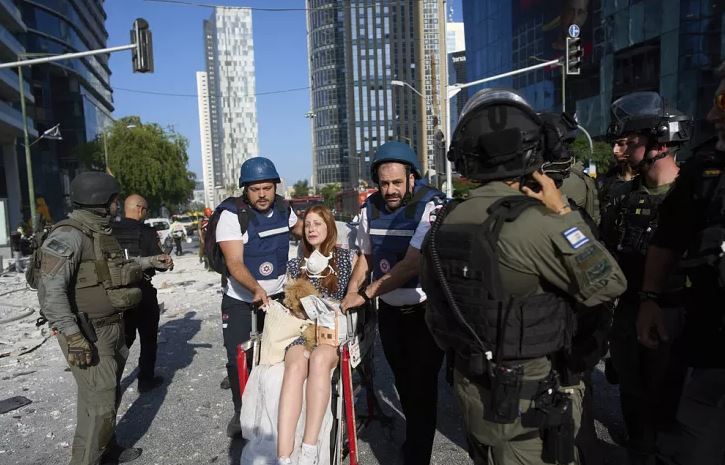
The armed conflict, which lasted from June 13 to June 24, ended with a ceasefire agreement facilitated by the U.S. and Qatar.
Tajikistan welcomed the ceasefire agreement between the State of Israel and the Islamic Republic of Iran.
"Tajikistan hopes that these agreements will put an end to the war, which began with violations of international law, and lay a solid foundation for establishing lasting and sustainable peace in the Middle East," said a statement from the Ministry of Foreign Affairs of Tajikistan.
 Руcский
